Curating service design blueprints to accelerate program impact
When Kroger decided it was time to modernize their Manufacturing software suite across 32 grocery, dairy, and bakery plants nationwide, I was on a small by mighty team that was spun up to execute. With only a few key team members that had prior manufacturing experience, where do you start? As it turns out, we had an immense challenge ahead. We couldn't just focus on the future state, our team had to learn the current state as well - and all of the plant-specific challenges and limitations that came with it.
Speaking of challenges, Infor M3, the software of choice, is incredibly complex. Although it is quite customizable, the overwhelmingly detailed and technical documentation required us to discover and self-organize processes in an easy to understand way. It was the only way to move forward. This resulted in service blueprints connecting a bridge between multi-level and person processes across the ecosystem.
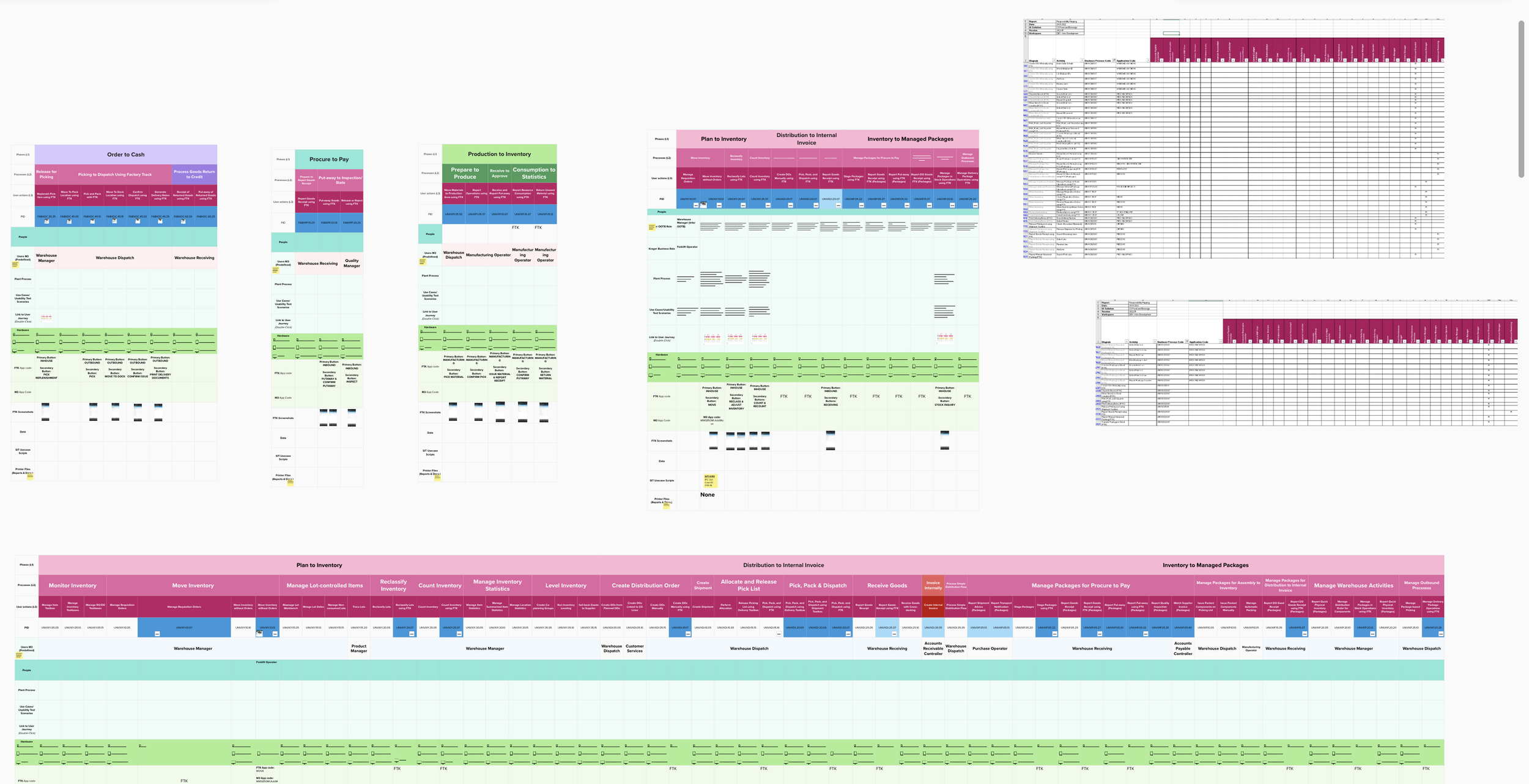
One of several Service Design Blueprints with multiple levels of phases, processes, user actions, use cases, hardware, links to specific user journeys, data, and more imbedded (some information redacted)
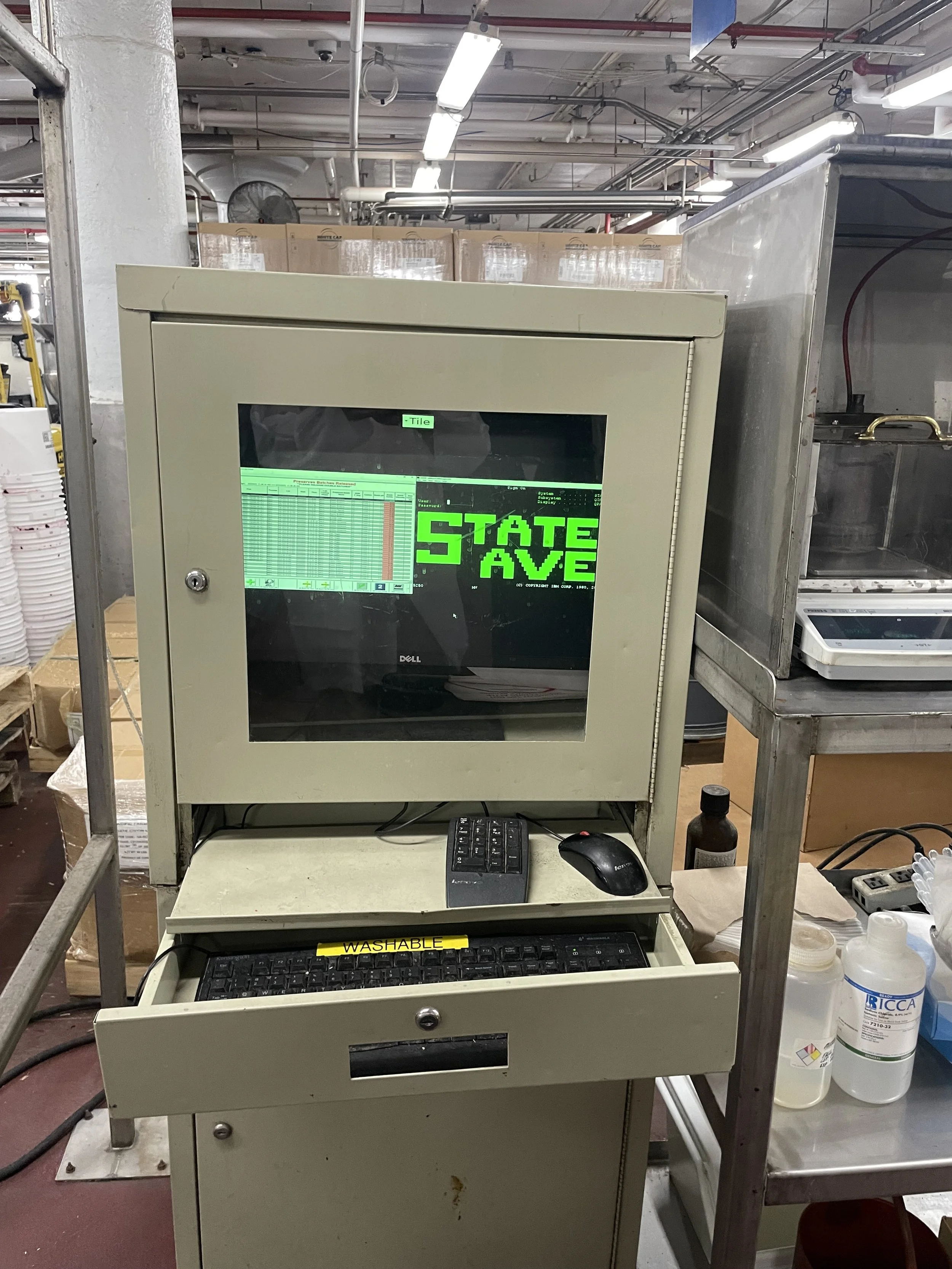
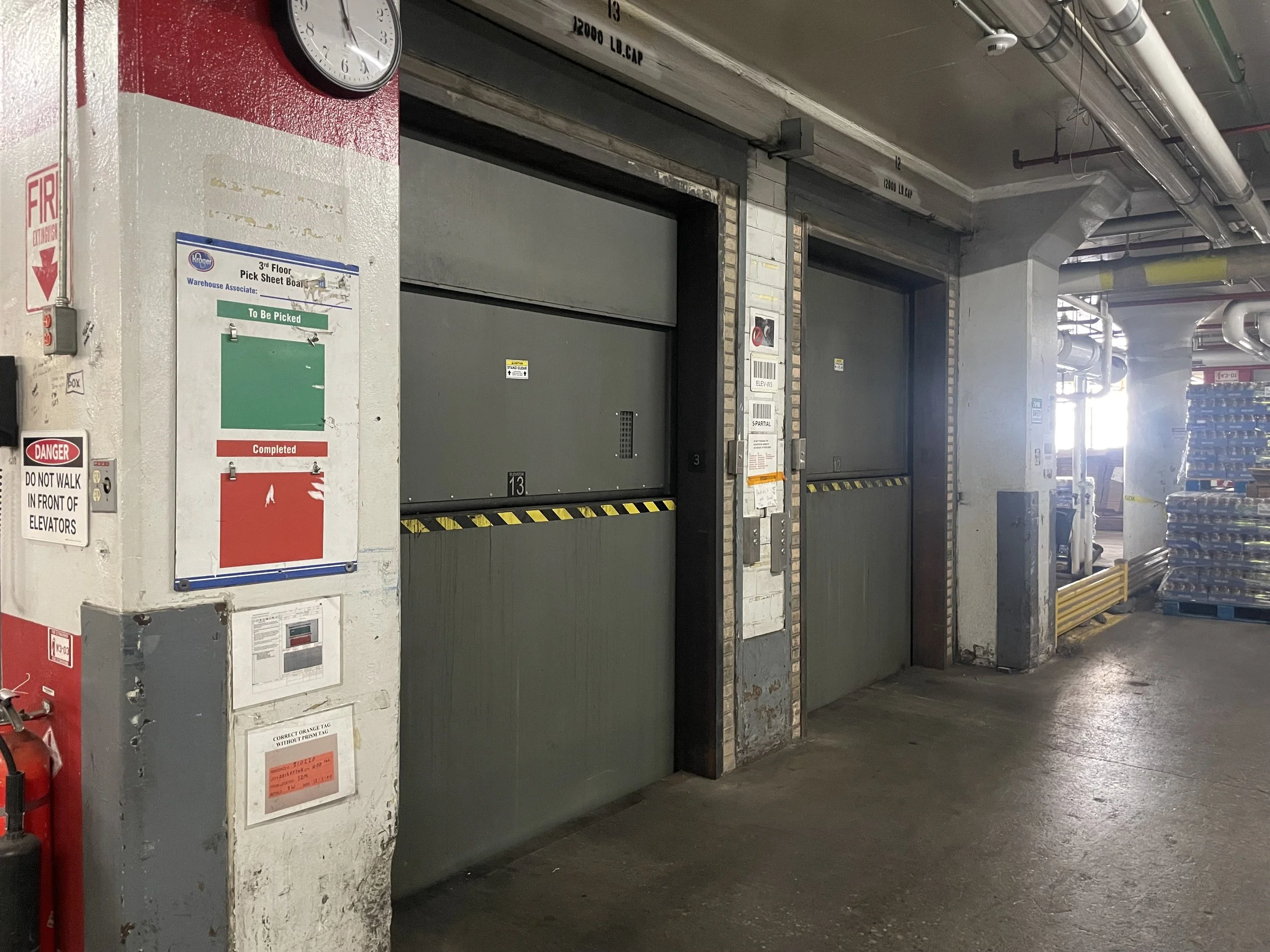
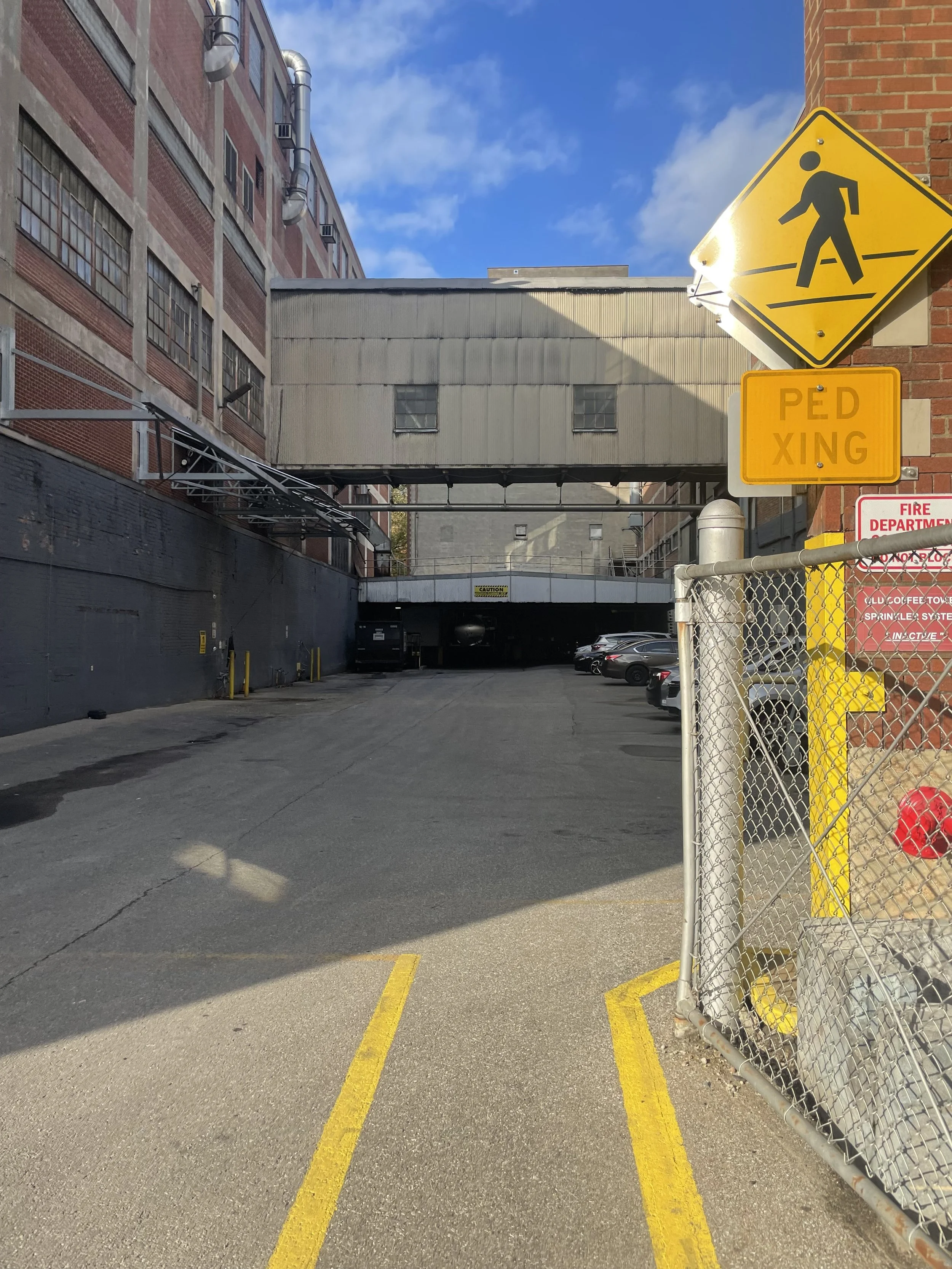
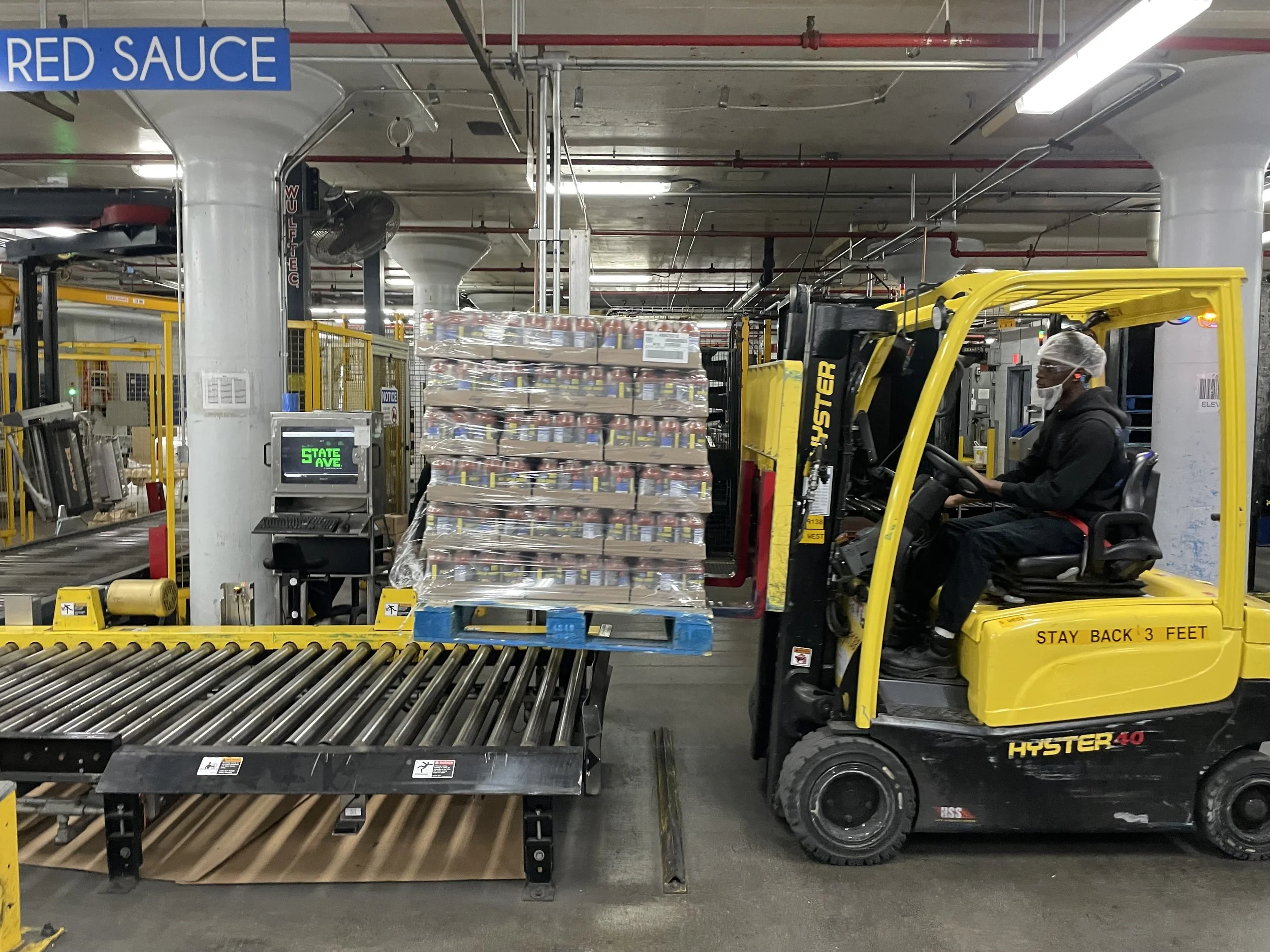
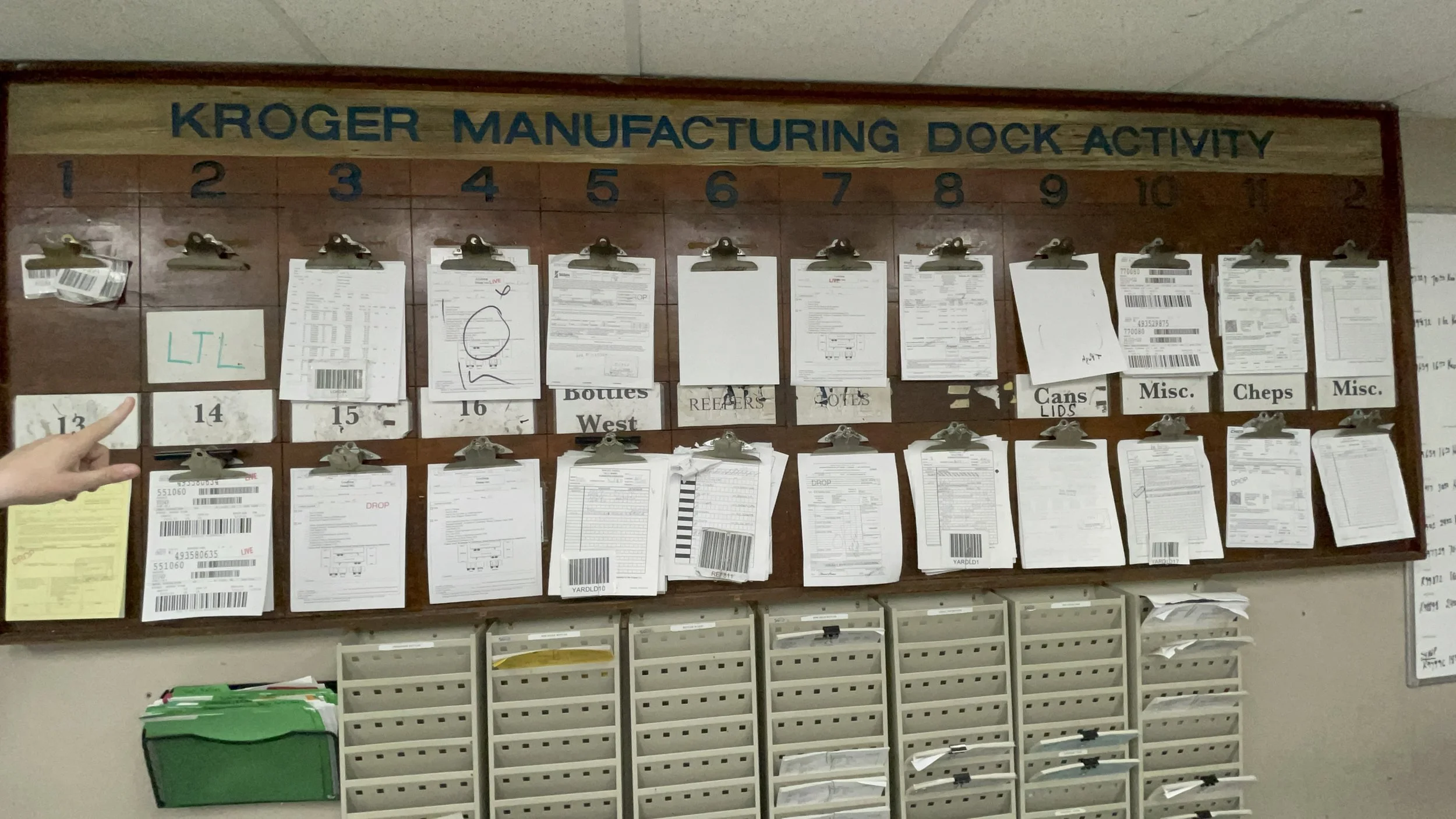
Organizing the software into understandable processes is one thing, but what if those digital processes don’t match the physical space and reality needed to get the job done? Every plant is unique. Take State Avenue, for example. The plant operates in an 100 year old former Model T factory across two buildings, six floors, and only two of the floors connect via bridges, making process exchanges complicated.
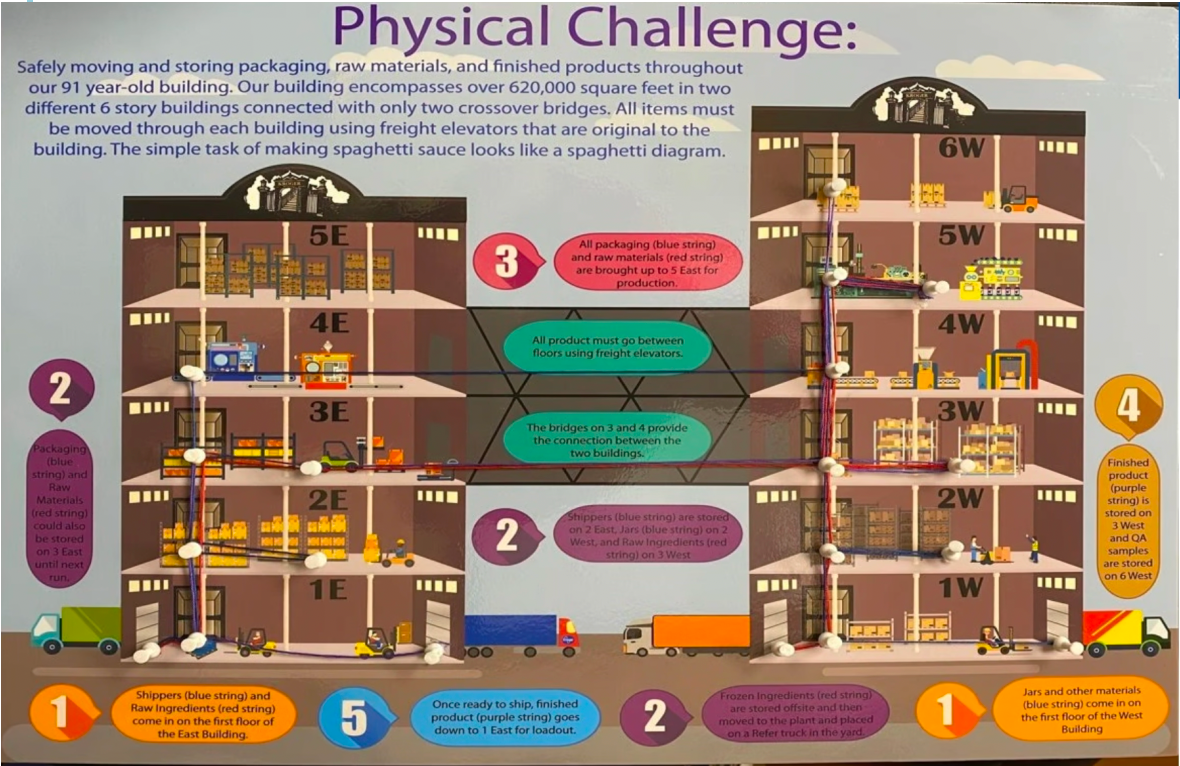
Rather than standardizing fully, or requiring the plant to adapt to the software's specific roles, expanding these service blueprints to add nuance allowed the team to meet the plant where they're at. What did this translate to? We must design process maps with the plant in mind - not forcing a square peg into a round hole. We had to take care to plot and recognize the differences, mitigate future unnecessary risks, and give the special attention where it's needed.
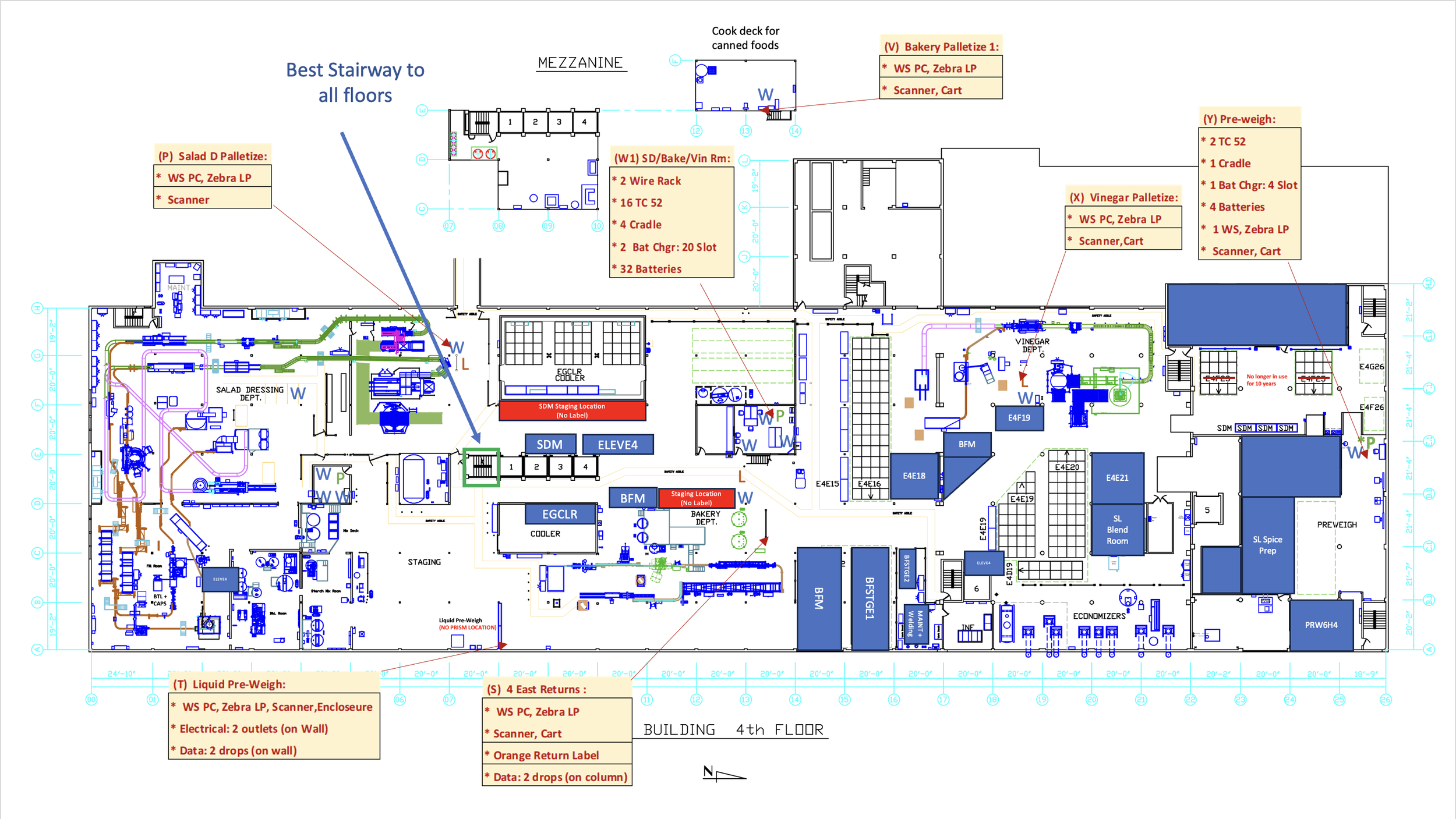
My annotated map of one of 11 manufacturing floors at State Avenue. Physical walk-throughs and knowledge of the new system’s needs led to updated signage, barcodes, hardware, infrastructure upgrades, location types, and even new associate roles created within the plant.
Though service blueprints are a necessary tool for certain strategies to be seen, perhaps even more valuable are the assets that directly benefit the users that make them up. Plant leadership had issues with the complexity of the system and needed a way for associates to understand their new role. A pivot was needed from many hour long sessions with overwhelming information that discouraged plant leadership about the project.
Luckily, trusted relationships with associates and plant leadership led to matter-of-fact conversations about how the team was feeling and what the associates really need for this to succeed - they knew what wouldn't work.
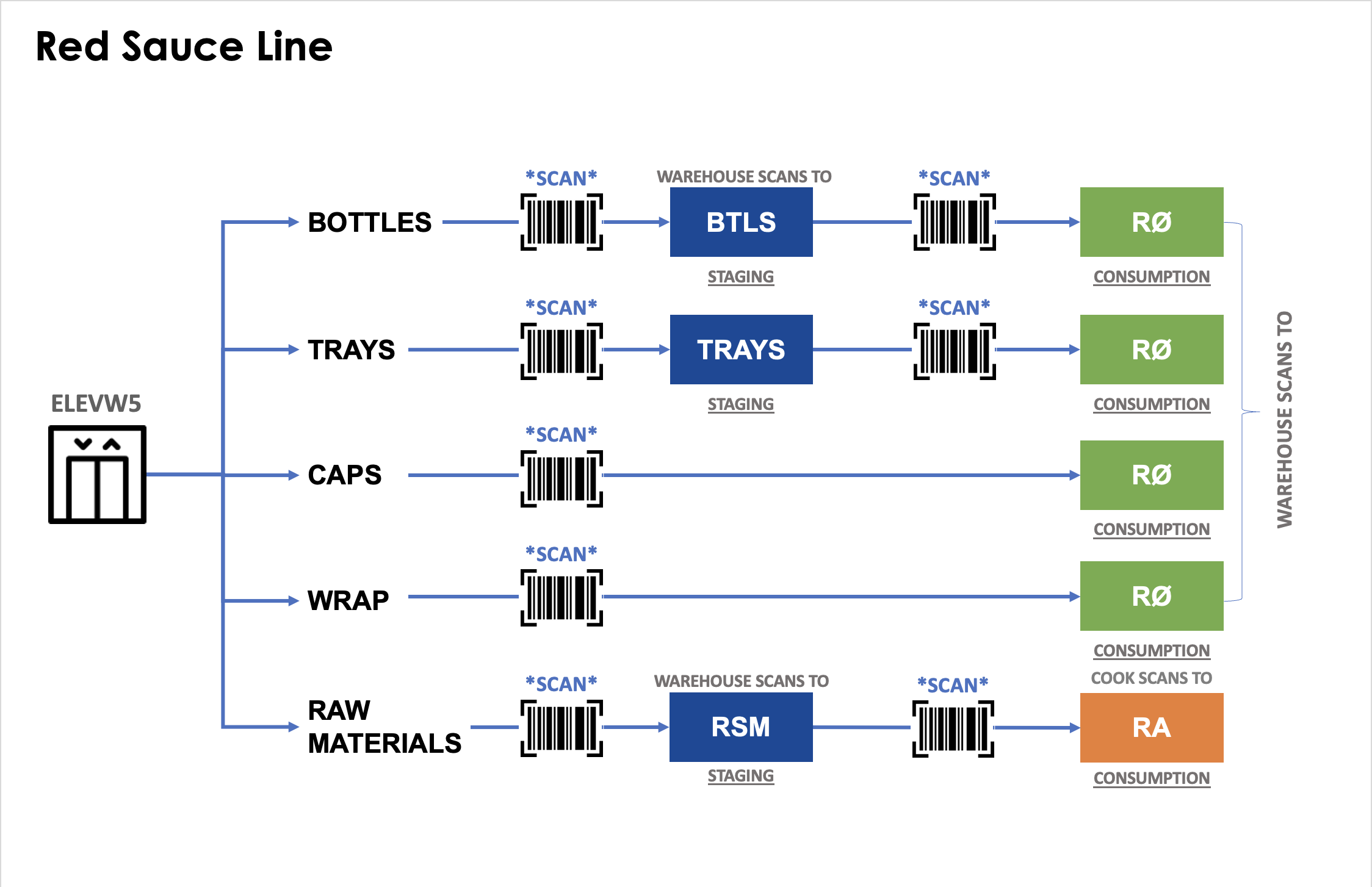
This led to:
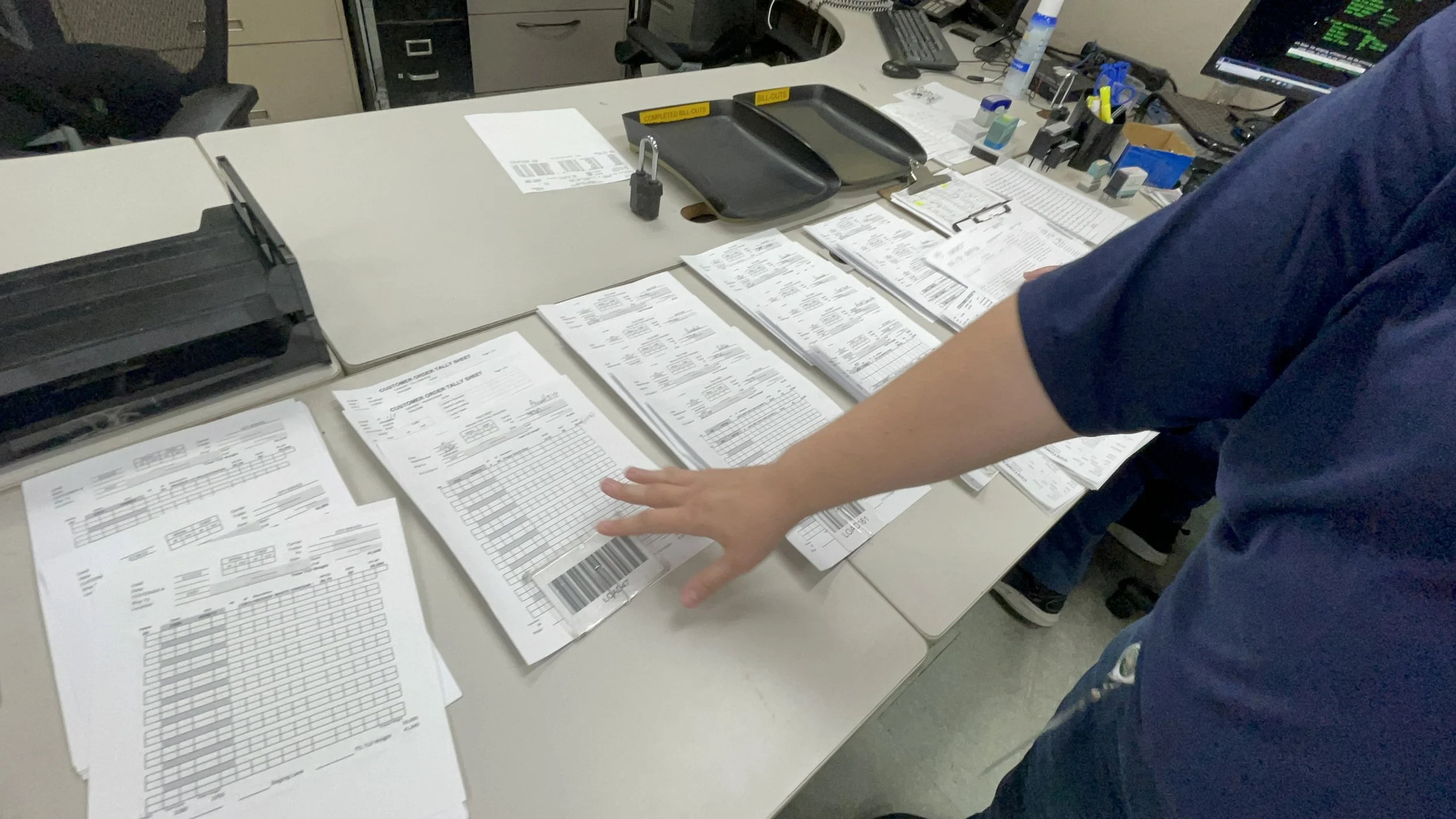
Deep on-the-floor research and analysis of specific areas of process
Mapping, standardizing, and simplifying processes in a way that allows M3 to enable associates to realistically improve their current workflow
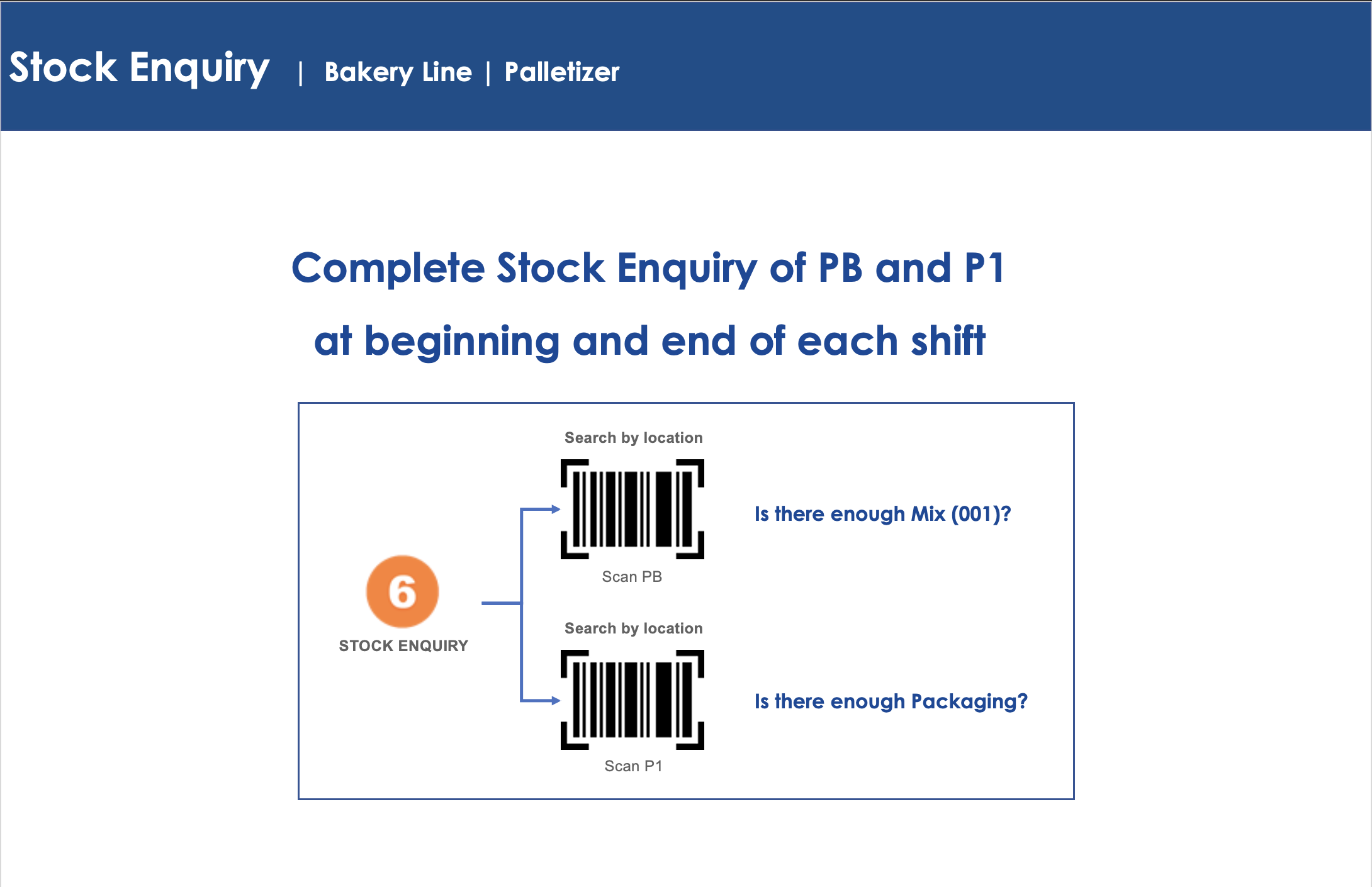
The results:
A clear presentation for all associates and printed personalized Quick Reference Guides that could be used day-to-day.
Perhaps even more beneficial was the significant increase of leadership and associate confidence and trust in the program’s launch.
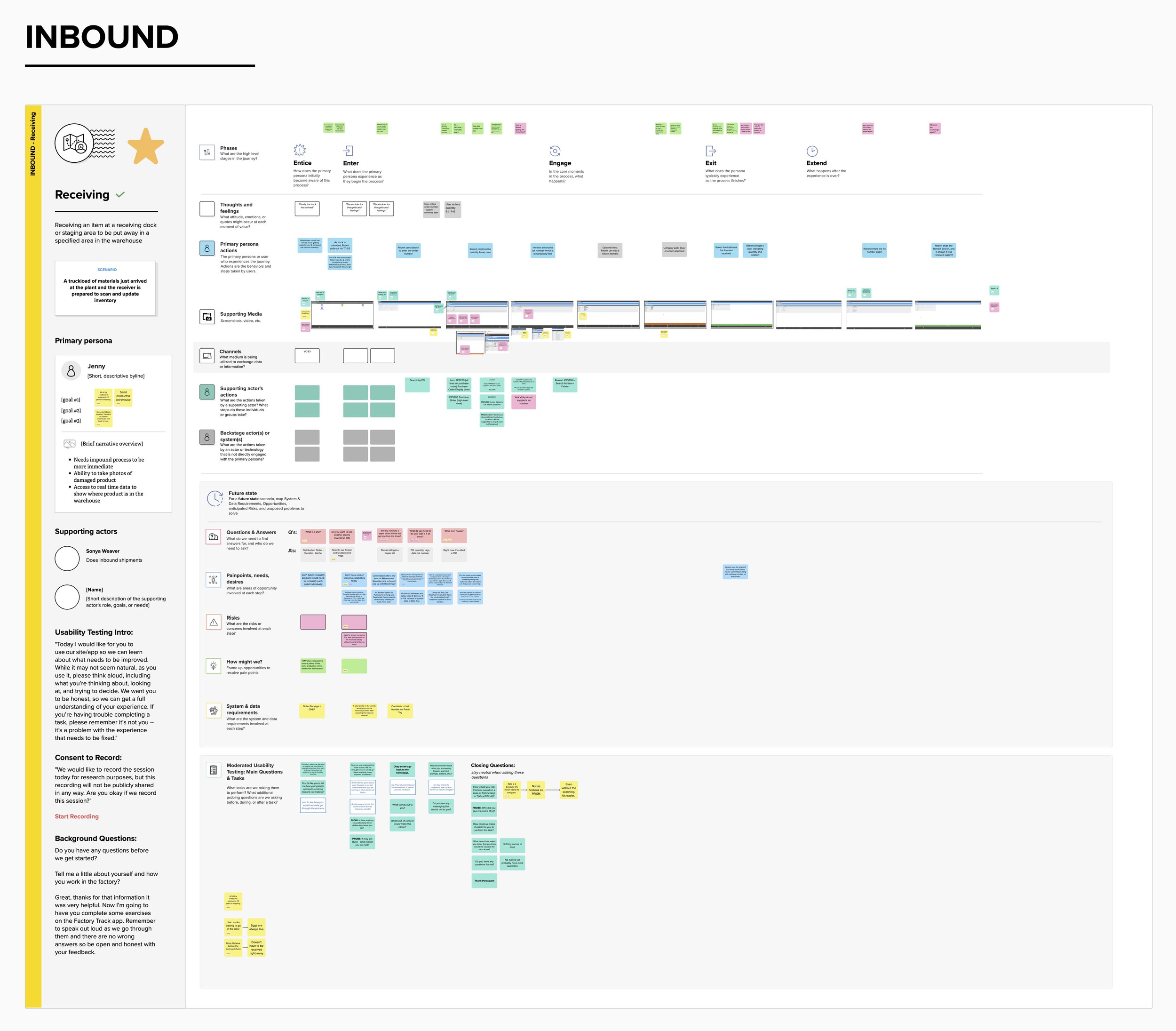
Example research artifact with associate quotes directly imbedded.
Underneath, painpoints, needs, desires, risks, and problems to solve abound…
So what were the key takeaways that service deisgn methedologies surprisingly unlocked?
Higher problem clarity, able to be more focued on what matters in discovery
Proactively choosing to be less generalized, more personalized where it matters. Some bespoke configurations are required to meet unique needs, and that's OK
Program-level expectation of regular communications at all levels to strengthen relationsips and mitigate risks earlier due to increased transparency
Investing in experience design (and specifically, service design) methedologies can help your business achieve more valuable outcomes and accelerate your program’s impact.
