Along for the journey
“On the Web, all advantages are temporary, and you must keep innovating to stay ahead” - Jakob Nielsen
My Process of [Re]inventing a Product
An Act of Continuous Discovery
There are many creative frameworks that lead to transforming a product. That being said, the following are some of the more formitive ones that I continue to apply to this day.


01 — Follow the revamped double diamond
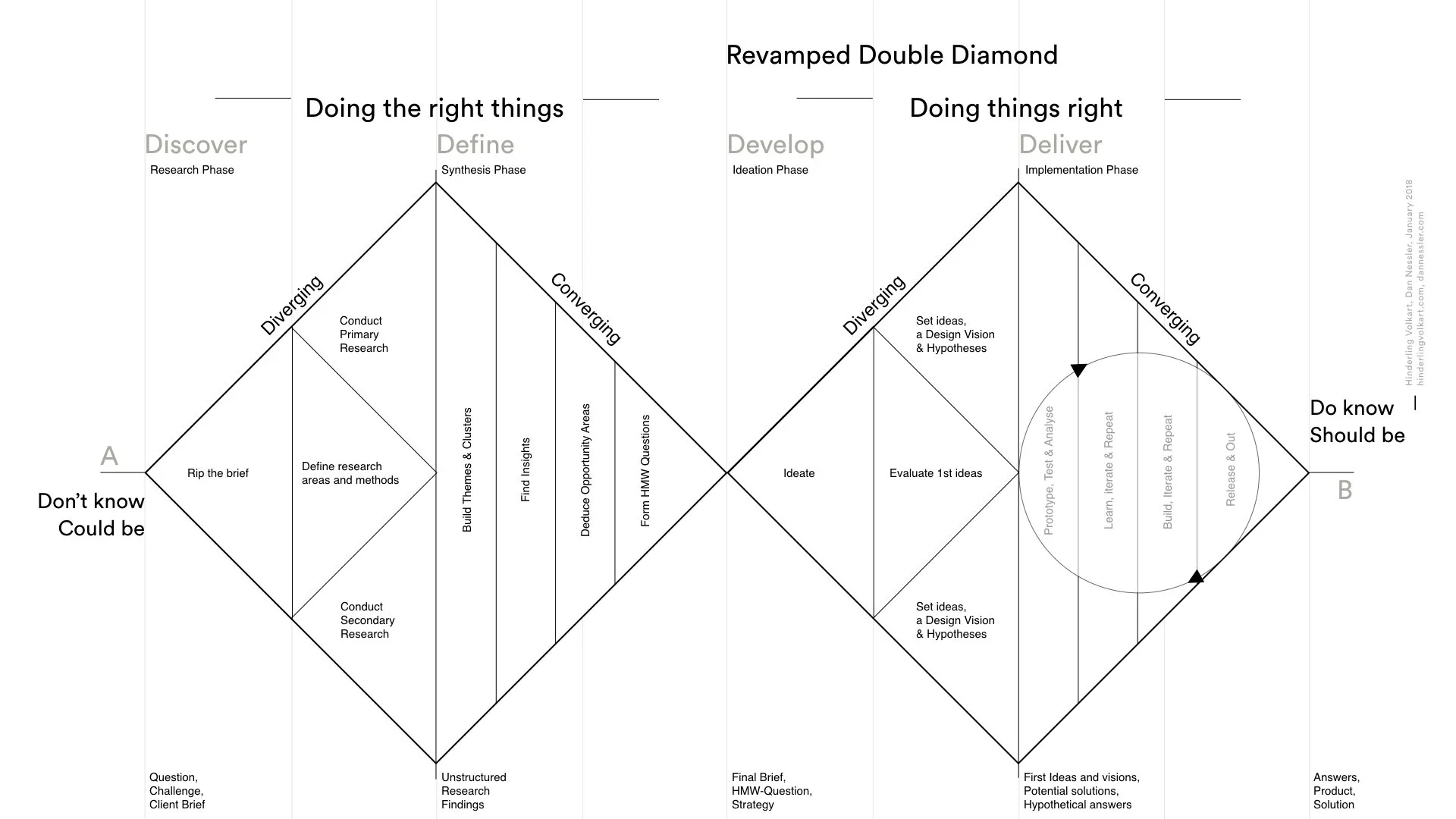
There are many stages worth exploring as a part of product (re)invention. Most notable to me are those in one such framework: Dan Nessler’s Revamped Double Diamond, which takes influence from the Design Council’s original Double Diamond, IDEO / IDEO.org’s HCD framework, Stanford d.school’s Design Thinking Process, and more.
The basic premise is that you must have both experience strategy (doing the right thing) and experience design (doing things right) in your process to fully establish your outcome and execute your outcome. (see below).
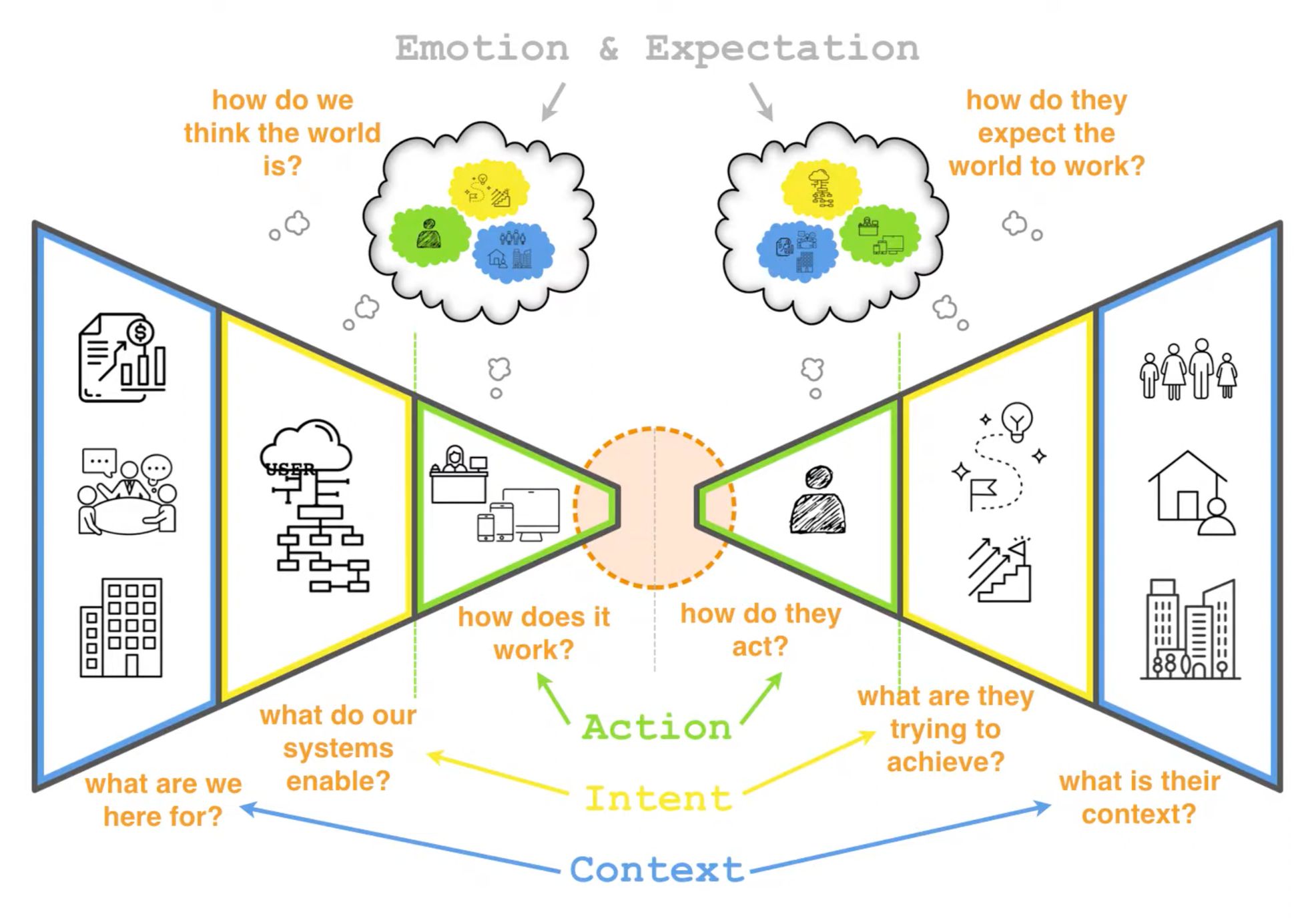
02 — Ask the right questions
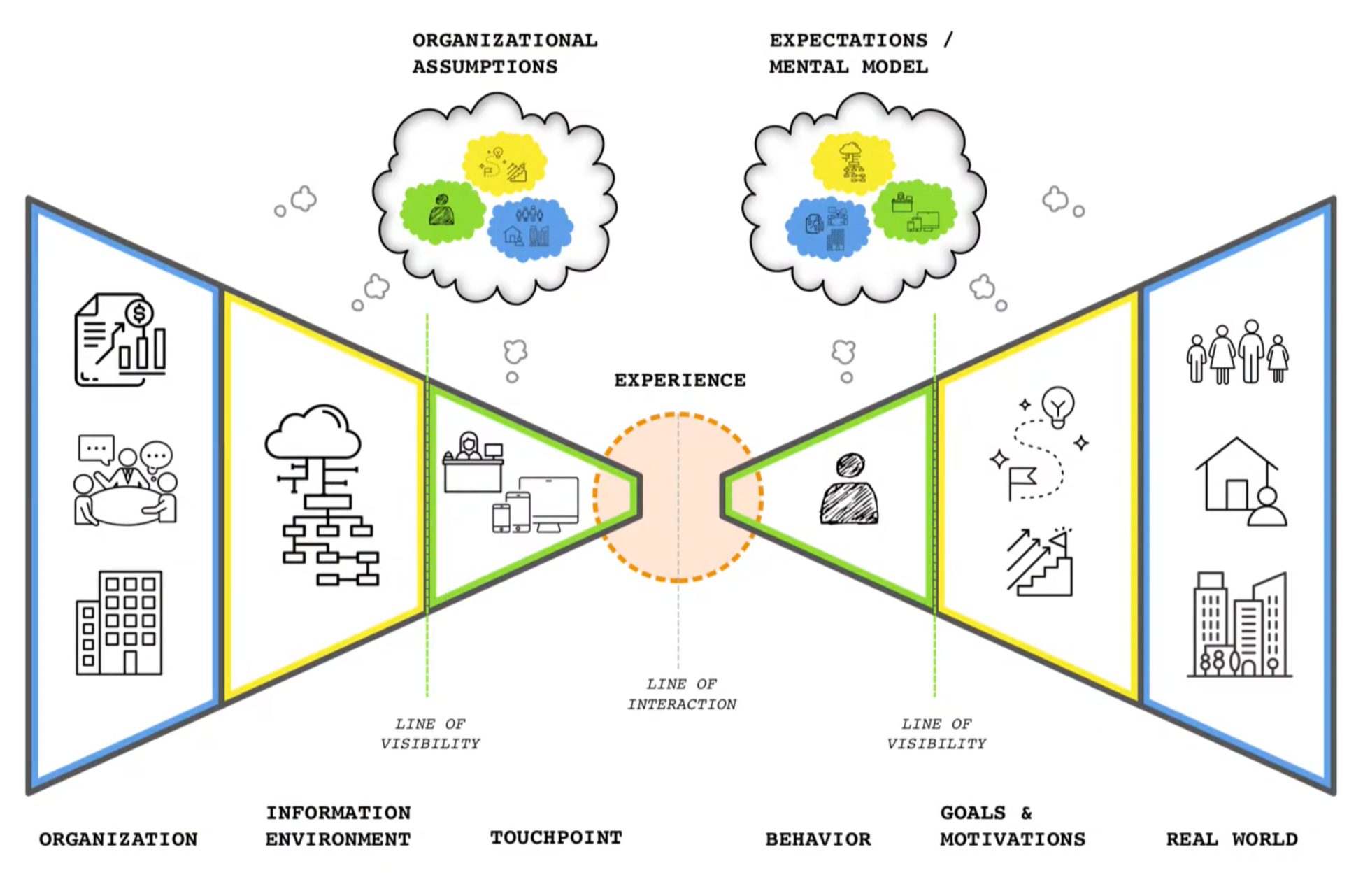
Dave Hora’s hypotheis is that this model is a picture of most of the things you need to be worried about as a user experience researcher or designer. If you understand how these pieces fit and how they balance, you will be much more effective in figuring out which questions to ask and what evidence to proive your team in making design or product decisions.
It’s easy to lose sight of what’s actually happening in “experience”. Sometimes what drives our expectations of how people act in the world, is our expectations of how people act in the world; a cyclical practice that translates to poor product experiences and service failures that tend to repeat themselves when you don’t look at experience on the ground.
Our organizations lose sight of this, and it’s generally our job as UX Researchers and Designers to wade in the messy waters of what’s happening in the world and figure out what to bring back.
03 — Involve the right people at the right time
A lesson many learn repeatedly in their career, I find that reminding myself often is key to success. It’s more common than you think that products are created in a silo, or worse - by a single individual with no outside influence. Embracing allowing others in to select research and decision making processes not only shows empathy, it allows others to necessarily practice it too.
04 — Practice continuous discovery
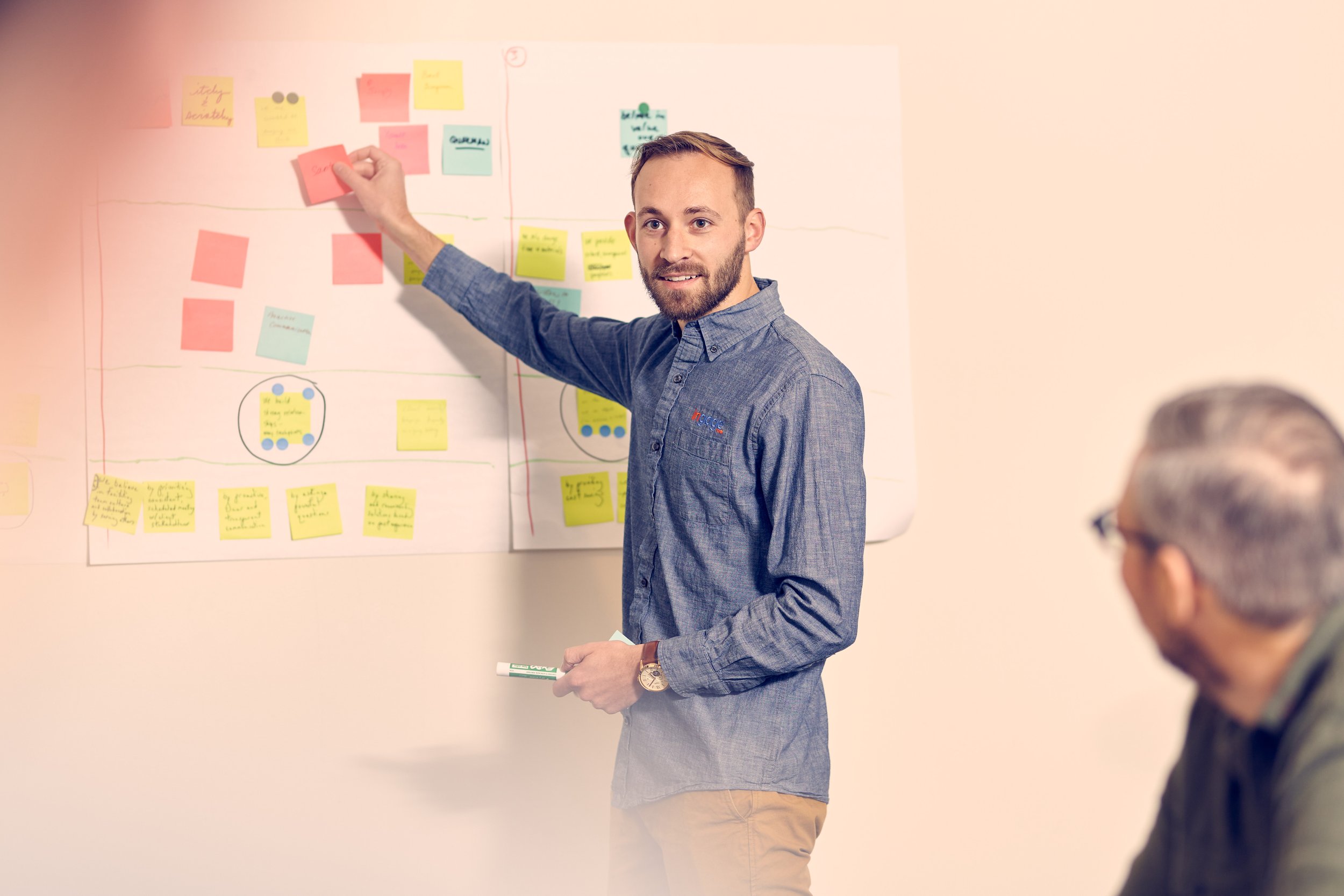
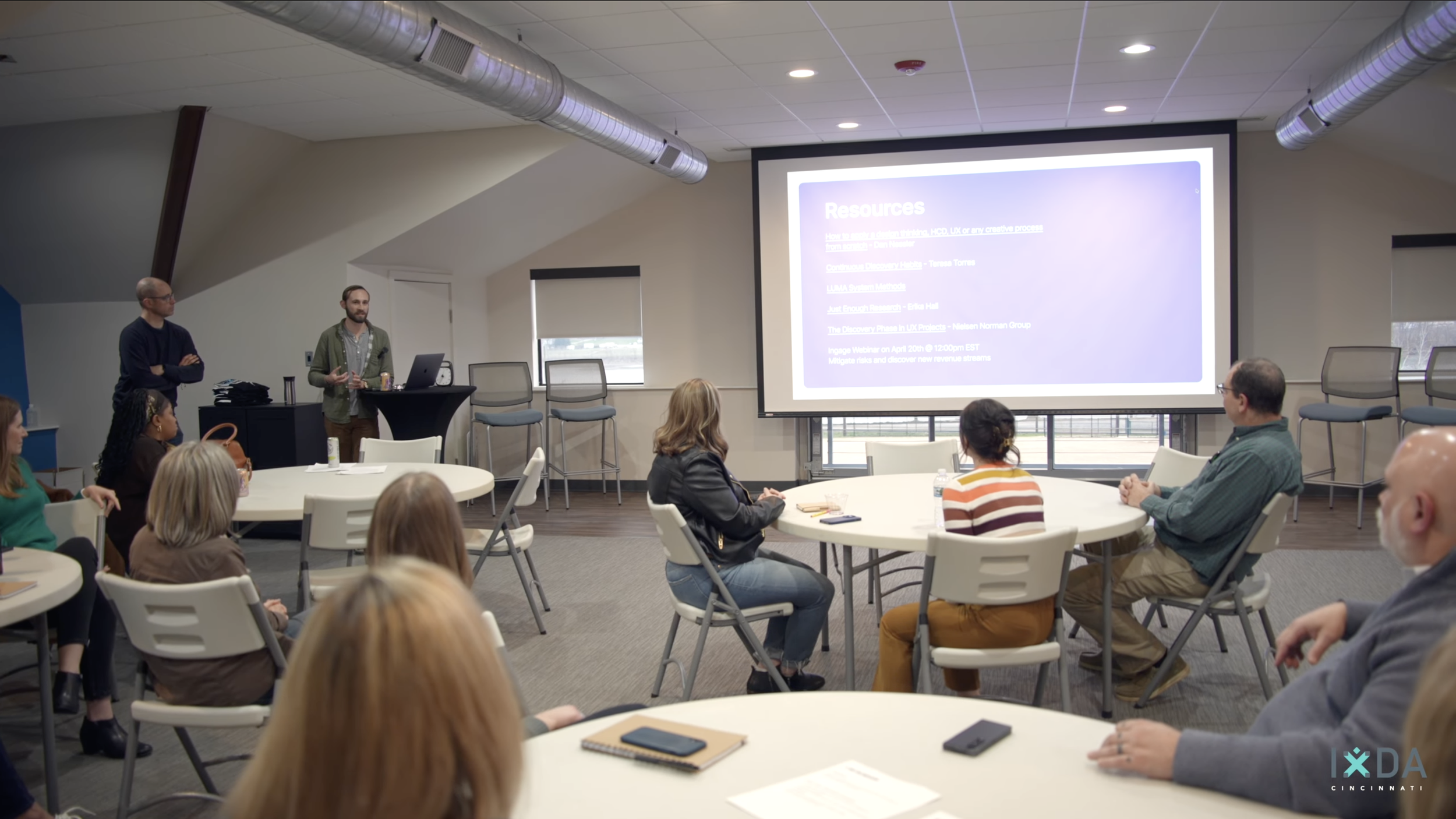
Myself and David McCoy, another Cincinnati-based experience designer, once led a talk at IXDA Cincinnati titled “Discover Discovery”, a process where we uncover and prioritize problems and risks in a given opportunity space. In that talk, I emphasized practicing it continuously. Doing so not only supports the product space to be agile and iterative in nature, but it assures that innovation and reinvention continues to be a part of the equation.
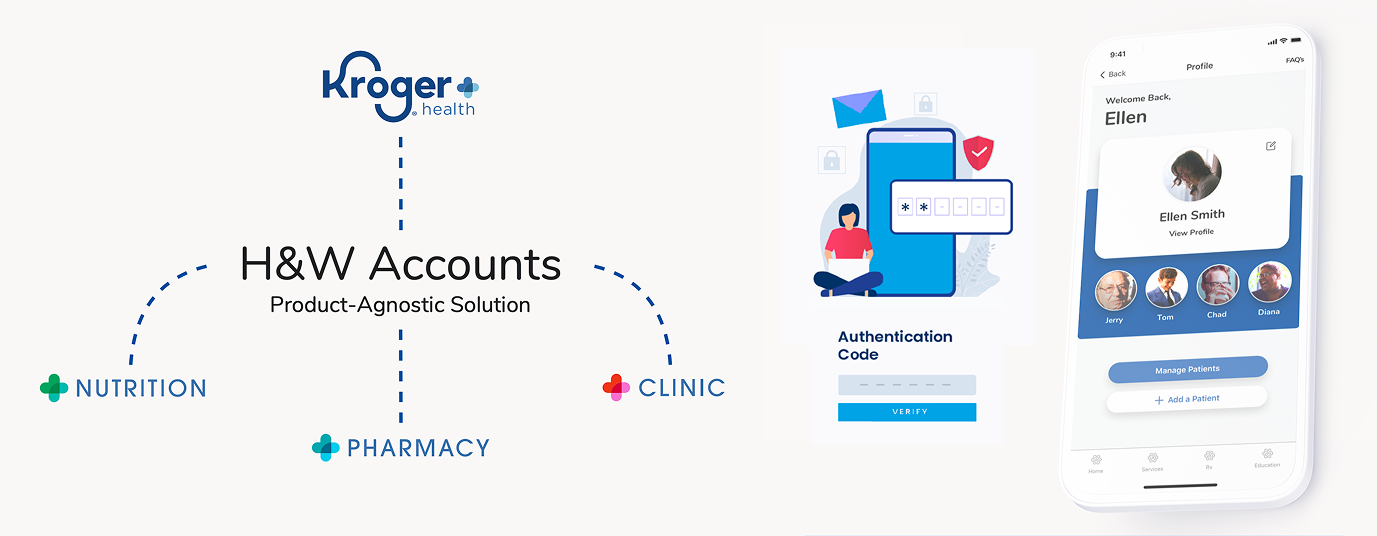
See this process played out below in a real-world example for Kroger Health & Wellness:
Some sections and information redacted for privacy.